
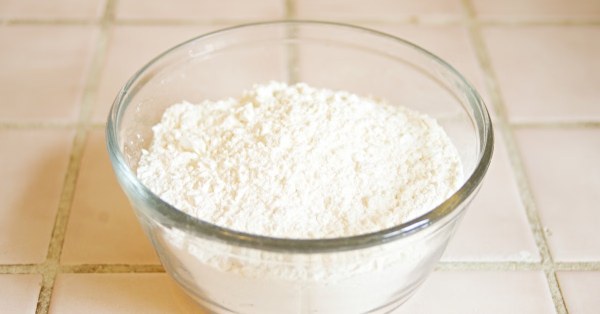
The zinc oxide manufacturing process determines the quality, purity, and performance of ZnO for different industrial applications. Manufacturers must carefully control raw materials, production temperatures, and processing conditions. Different production methods can produce varying characteristics. Therefore, manufacturers select suitable techniques based on the requirements.
Zinc Oxide Manufacturing Process and Purity Control
Manufacturers generally use several routes to produce ZnO. The direct and indirect methods represent two established approaches for industrial production. Each method uses different raw materials and processing conditions. These differences can influence the final product’s purity and physical properties.
Raw Material Selection
Raw materials play an important role in determining zinc oxide purity. Manufacturers must select zinc sources with suitable chemical characteristics. The indirect process commonly uses high-purity zinc metal as its starting material.
Meanwhile, the direct process can use zinc-containing materials, including ores or industrial residues. Impurities in the starting material can carry through the production process. Therefore, manufacturers should assess raw material composition before processing.
Chemical analysis can identify elements that may affect the final product. This step helps manufacturers select appropriate purification and processing conditions.
Direct or Indirect Production Methods
The indirect method typically begins by heating zinc metal until it vaporizes. The zinc vapor then reacts with oxygen and forms zinc oxide particles. Manufacturers collect the resulting oxide powder after controlled oxidation.
The zinc oxide manufacturing process can produce relatively high-purity zinc oxide when manufacturers use suitable zinc feedstock. The direct method follows a different route. Manufacturers heat zinc-containing materials with carbon or another reducing agent.
The reaction produces zinc vapor, which then reacts with oxygen. Manufacturers subsequently collect the resulting zinc oxide. The chosen method depends on the desired product specifications and available raw materials. Manufacturers must control each stage to achieve consistent results.
Temperature and Reaction Control
Temperature control directly affects zinc oxide formation. Excessive or insufficient heat can change reaction behavior and product characteristics. Manufacturers therefore monitor furnace temperatures throughout production. Stable conditions can support more consistent oxidation and particle formation.
Oxygen availability also requires careful management. The zinc vapor needs sufficient oxygen to form zinc oxide effectively. Production systems may use controlled airflow to maintain suitable reaction conditions. This approach helps manufacturers achieve consistent chemical conversion.
Controlling Zinc Oxide Purity Levels
Purity control does not end after the chemical reaction. Manufacturers need additional inspection and processing steps before releasing the finished material.
- Chemical Testing
Laboratories can analyze zinc oxide samples to determine their chemical composition. Testing can identify zinc content and trace elements. Common analyses may examine impurities such as lead, cadmium, iron, and other metals.
Manufacturers can compare test results against the required product specification. High-purity applications often require tighter impurity limits. Therefore, testing procedures should match the intended industrial use.
- Particle Size and Physical Properties
Purity represents only one quality parameter. Particle size can also affect zinc oxide performance in different applications. Manufacturers may use controlled processing and classification systems to achieve the desired particle characteristics.
Consistent particle size can support predictable product performance. Other properties may include surface area, moisture content, and appearance. The required specifications depend on the application and product grade.
- Final Inspection and Quality Assurance
Manufacturers should inspect each production batch before shipment. Quality teams can compare test results against established specifications. Batch records can also support traceability.
They allow manufacturers to identify production conditions and test results associated with specific materials. Proper storage also helps preserve product quality after production. Zinc oxide should remain protected from contamination and excessive moisture.
The zinc oxide manufacturing process involves several controlled stages, from raw material selection to final quality inspection. Direct and indirect production methods offer different routes for producing ZnO. By maintaining consistent production conditions, manufacturers can produce zinc oxide that meets specific industrial requirements. Buyers should therefore consider both purity and physical properties when selecting a suitable grade.
Tagged: Chemical Manufacturing Purity Control Zinc Oxide Manufacturing